
Managing Expectations for a Home Remodel in San Diego

After deciding to remodel a home, one of the first questions most homeowners ask is:
"How long is this going to take?"
It's an understandable concern. Whether you're renovating your primary residence, updating a recently purchased property, or transforming a second home, timelines affect everything from living arrangements and family schedules to budgets and expectations.
The challenge is that there isn't a universal answer.
A kitchen remodel follows a different timeline than a whole-home renovation. A bathroom update requires different planning than a large-scale remodel involving structural changes. Factors such as design complexity, permitting requirements, product lead times, contractor availability, and project scope all influence how long a remodel will take.
What homeowners often discover is that the construction phase is only one part of the process.
In reality, the most successful remodels are usually the ones that invest significant time in planning before construction ever begins.
At A Designed Space, we believe that managing expectations starts with understanding the entire project journey, not just the weeks when contractors are onsite.
The Biggest Remodeling Mistake? Focusing Only on Construction
When homeowners think about remodeling timelines, they often picture demolition, construction crews, and the visible transformation happening inside the home.
What they don't always account for is everything that happens beforehand.
A successful remodel typically includes:
Discovery and project planning
Design development
Material and finish selections
Contractor coordination
Procurement and ordering
Construction
Installation and completion
Construction may be the most visible stage, but it isn't always the longest.
In many cases, the planning and preparation phase has a greater impact on the success of the project than the construction itself.
Why Planning Before Construction Matters
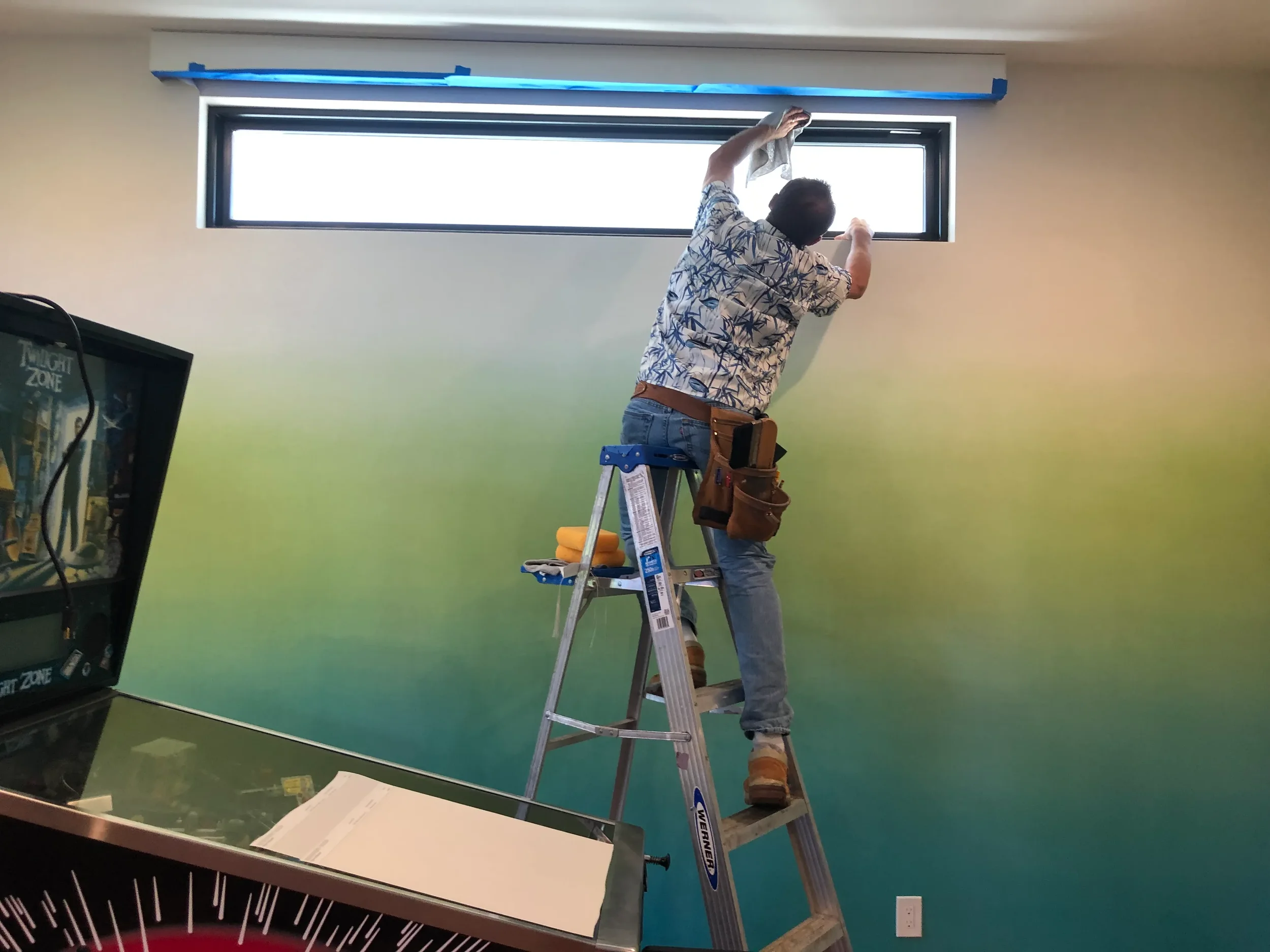
One of the most effective ways to avoid delays is to finalize as many decisions as possible before demolition begins.
Homeowners are often eager to start construction quickly. While that excitement is understandable, rushing into construction without a completed design plan can create significant challenges later.
Before construction starts, important decisions should ideally be resolved, including:
Space layouts
Cabinet configurations
Appliance selections
Plumbing fixtures
Tile and flooring selections
Lighting/ switching plans
Paint specifications
Furniture requirements
AV/ smart home capabilities, electrical layouts
When these decisions are made during construction instead of beforehand, projects often experience delays, change orders, and increased costs.
The projects that tend to move most efficiently are those where the design has been thoroughly developed before work begins.
Understanding the Typical Remodel Timeline
While every project is unique, most remodels move through several distinct phases.
Phase 1: Discovery & Project Planning
This is where goals are established and the foundation for the project is created.
During this stage, homeowners and designers discuss:
Lifestyle needs
Functional challenges
Project priorities
Budget considerations
Overall vision
Many homeowners underestimate the importance of this phase, but it often determines the success of everything that follows.
Phase 2: Design Development
This is where ideas become a comprehensive plan.
Design development often includes:
Space planning
Layout refinement
Material selections
Cabinetry planning
Lighting recommendations
Finish coordination
Depending on the scope of the remodel, this phase can take several weeks or even months.
The larger the project, the more critical this phase becomes.
Phase 3: Procurement
Once selections are finalized, products need to be ordered.
This includes everything from cabinetry and plumbing fixtures to lighting, tile, furniture, and hardware.
Procurement is one of the most overlooked timeline factors in remodeling.
Some products arrive quickly.
Others may require significant lead times.
Understanding these timelines early allows homeowners and contractors to plan accordingly.
Phase 4: Construction
Only after planning, design development, and procurement are sufficiently underway does construction begin.
The construction timeline varies significantly depending on project scope.
Phase 5: Installation & Completion
The final phase involves installing furnishings, accessories, artwork, and finishing touches that complete the overall vision.
This is often the stage homeowners look forward to most because the project finally comes together.
What Causes Remodeling Delays?
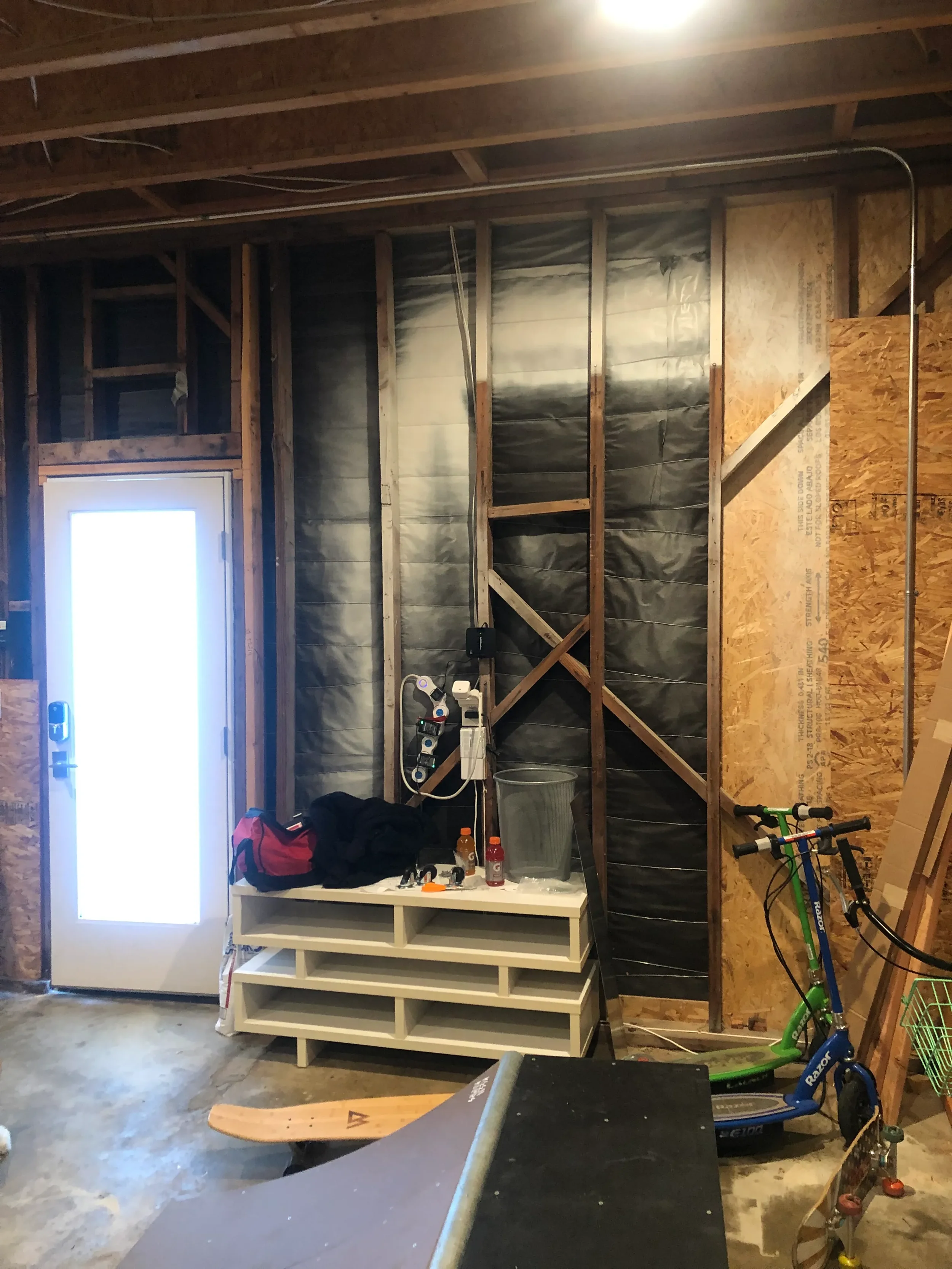
Homeowners often assume delays are caused by contractors alone.
In reality, delays can occur for many different reasons.
Incomplete Design Decisions
One of the most common causes of project slowdowns is unresolved design decisions.
When selections are still being made after construction begins, work often pauses while answers are determined.
Product Lead Times
Custom cabinetry, specialty lighting, plumbing fixtures, and certain materials may require significant lead times.
Ordering products late can impact the construction schedule.
Scope Changes
It isn't unusual for homeowners to identify additional opportunities once construction begins.
While these changes can improve the final outcome, they often extend the timeline.
Permit Requirements
Depending on the scope of work, permits and approvals may affect project schedules.
Certain projects move forward quickly, while others require additional review.
Contractor Scheduling
Skilled contractors often book projects months in advance.
Coordinating schedules among multiple trades can also influence timelines.
Why the Right Team Makes a Difference
A remodel is rarely the work of one person.
Successful projects involve collaboration among homeowners, designers, contractors, and trades.
The quality of that team has a direct impact on the timeline.
Bringing in experienced professionals early helps create realistic expectations and allows planning to happen before construction begins.
At A Designed Space, we often tell homeowners that assembling the right team is one of the most important decisions they'll make during a remodel.
A well-coordinated team communicates effectively, identifies potential challenges early, and works toward a shared vision for the project.
How Designers Help Keep Projects Moving
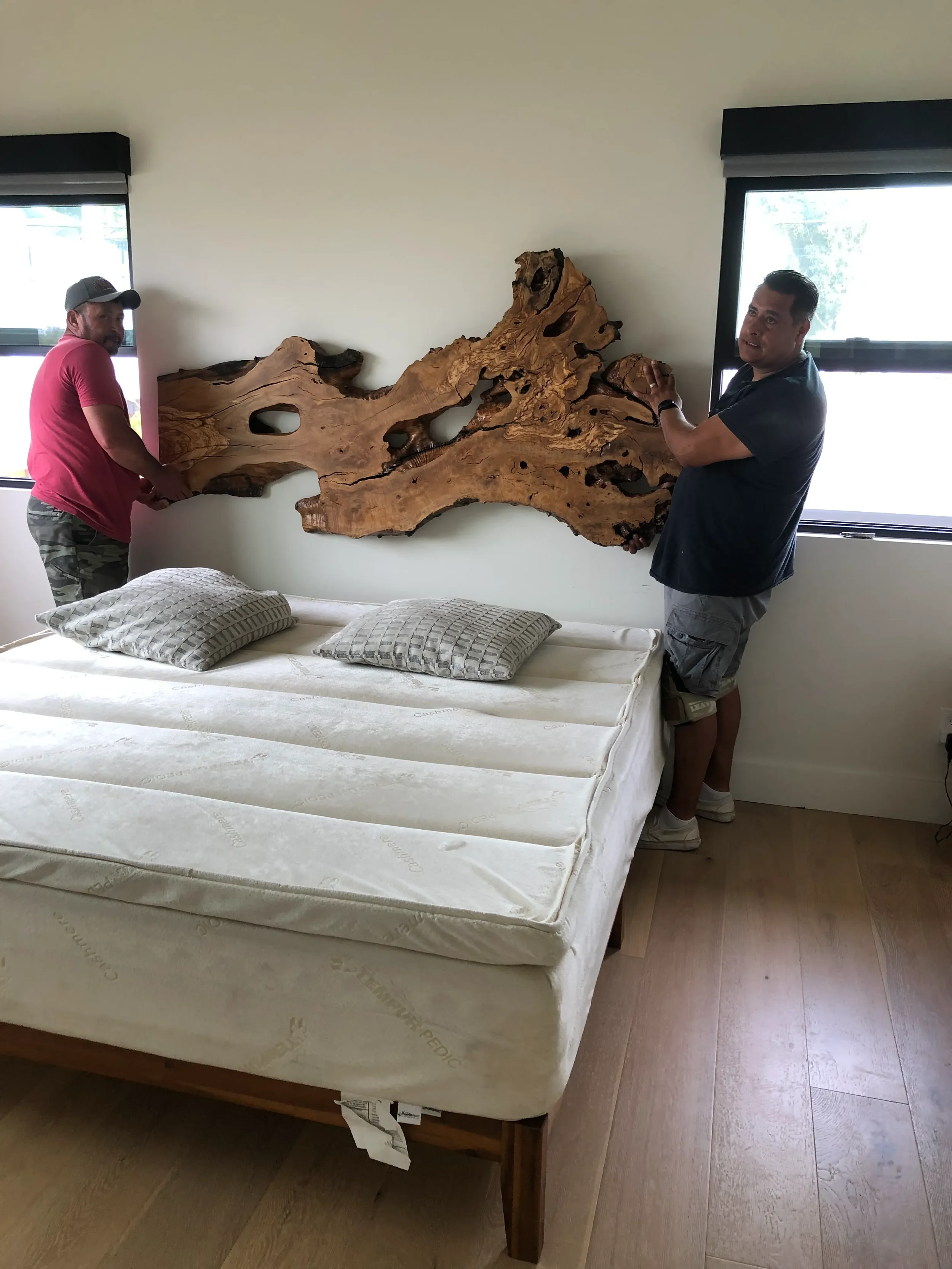
Many homeowners think of interior designers primarily in terms of aesthetics.
In reality, one of the most valuable roles a designer plays is helping organize and coordinate the project.
A designer helps ensure:
Decisions are made on schedule
Materials are selected early
Products are ordered in a timely manner
Provide finalized drawing and specification packages for the contractors to work off of.
Questions are addressed quickly
This level of planning often reduces uncertainty and helps projects move forward more efficiently.
While no designer can eliminate every challenge, proactive coordination can significantly reduce avoidable delays.
Realistic Expectations Create Better Experiences
One of the biggest sources of remodeling frustration is unrealistic expectations.
Homeowners understandably want projects completed as quickly as possible.
However, speed and quality don't always go hand in hand.
A thoughtfully planned remodel requires time.
Design development requires time.
Product procurement requires time.
Construction requires time.
The goal shouldn't be simply to finish quickly.
The goal should be to finish well.
When homeowners understand this from the beginning, they often feel more confident and less stressed throughout the process.
Can You Speed Up a Remodel?
To some extent, yes.
The best way to reduce delays is to invest more time upfront.
That may sound counterintuitive, but it is often true.
Projects tend to move more smoothly when homeowners:
Finalize designs before construction
Approve materials early
Make decisions promptly
Order products in advance
Assemble the right project team
The more prepared everyone is before demolition begins, the fewer interruptions typically occur during construction.
The Value of Planning Before Demo Day
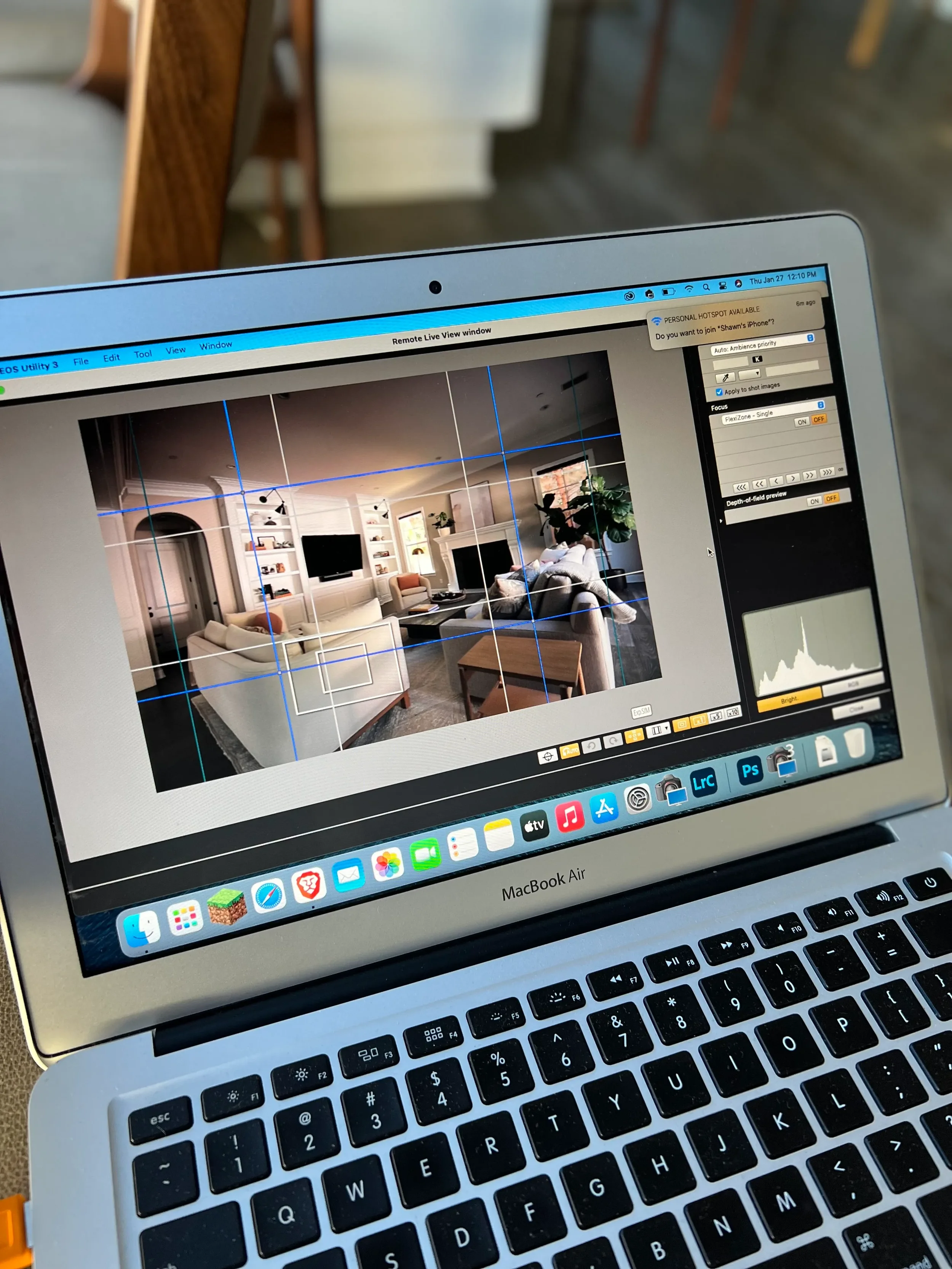
Many homeowners view planning as a preliminary step.
Experienced designers view it as one of the most valuable parts of the project.
Before the first cabinet is removed or the first wall is opened, the design should be working through every detail possible.
This includes:
Confirming layouts
Selecting finishes
Coordinating materials
Understanding lead times
Establishing realistic expectations
That preparation creates a roadmap for the entire project.
And in many cases, that roadmap is what keeps the remodel moving forward successfully.
So, How Long Does a Home Remodel Take?
The honest answer is that it depends on the project.
A kitchen remodel, bathroom renovation, and whole-home transformation each follow different timelines and present different challenges.
What remains consistent is this:
Projects that invest in planning tend to experience fewer surprises.
Projects with finalized designs tend to move more efficiently.
Projects with the right team tend to achieve better outcomes.
Rather than focusing solely on how quickly construction can begin, homeowners are often better served by asking a different question:
"How can we set this project up for success from the start?"
That mindset often leads to smoother timelines, better communication, and a more enjoyable remodeling experience overall.
Ready to Start Planning Your Remodel?
Whether you're considering a kitchen renovation, bathroom remodel, or whole-home transformation, A Designed Space helps homeowners throughout San Diego navigate the process through thoughtful planning, design development, procurement management, and construction coordination.
Schedule a discovery call first to discuss your project, explore possibilities for your home, and create a realistic roadmap for a successful remodel.