
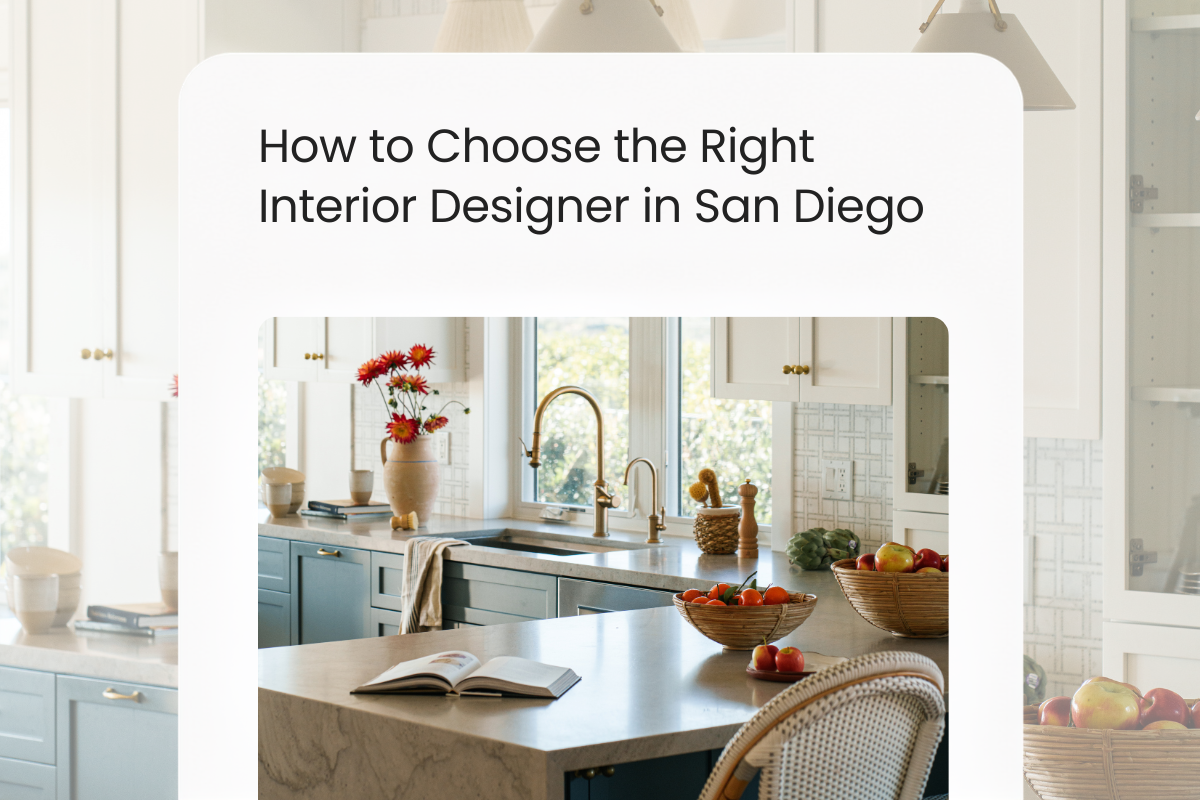
How to Choose the Right Interior Designer in San Diego
Hiring an interior designer is about far more than finding someone whose portfolio you like.
Whether you're planning a whole-home remodel, renovating a kitchen, updating a bathroom, furnishing a new home, or transforming a second residence, the designer you choose will influence every stage of the experience. They will help guide major decisions, coordinate countless details, manage expectations, and shape the final outcome of your home.
Many homeowners spend weeks comparing styles and scrolling through project photos, but some of the most important factors have nothing to do with aesthetics.
The right designer should have experience with your type of project, a clear process, strong communication skills, and an approach that aligns with your priorities. Most importantly, they should be someone you trust.
At A Designed Space, we've found that the most successful projects happen when there is strong alignment between the homeowner, designer, contractor, and project goals from the very beginning.
This guide will help you evaluate potential designers and choose the right fit for your project.
Start With the Type of Project You're Planning
One of the biggest mistakes homeowners make is assuming all interior designers provide the same services.
In reality, designers often specialize in different types of work.
Before interviewing designers, define the type of project you're planning.
Whole-Home Remodels
A whole-home remodel requires a designer who understands more than finishes and furnishings.
You'll want someone who can help with:
Remodel planning
Space planning
Layout refinement
Material selections
Construction coordination
Procurement management
Whole-home renovations involve hundreds of decisions, making organization and planning critical.
Kitchen & Bathroom Remodels
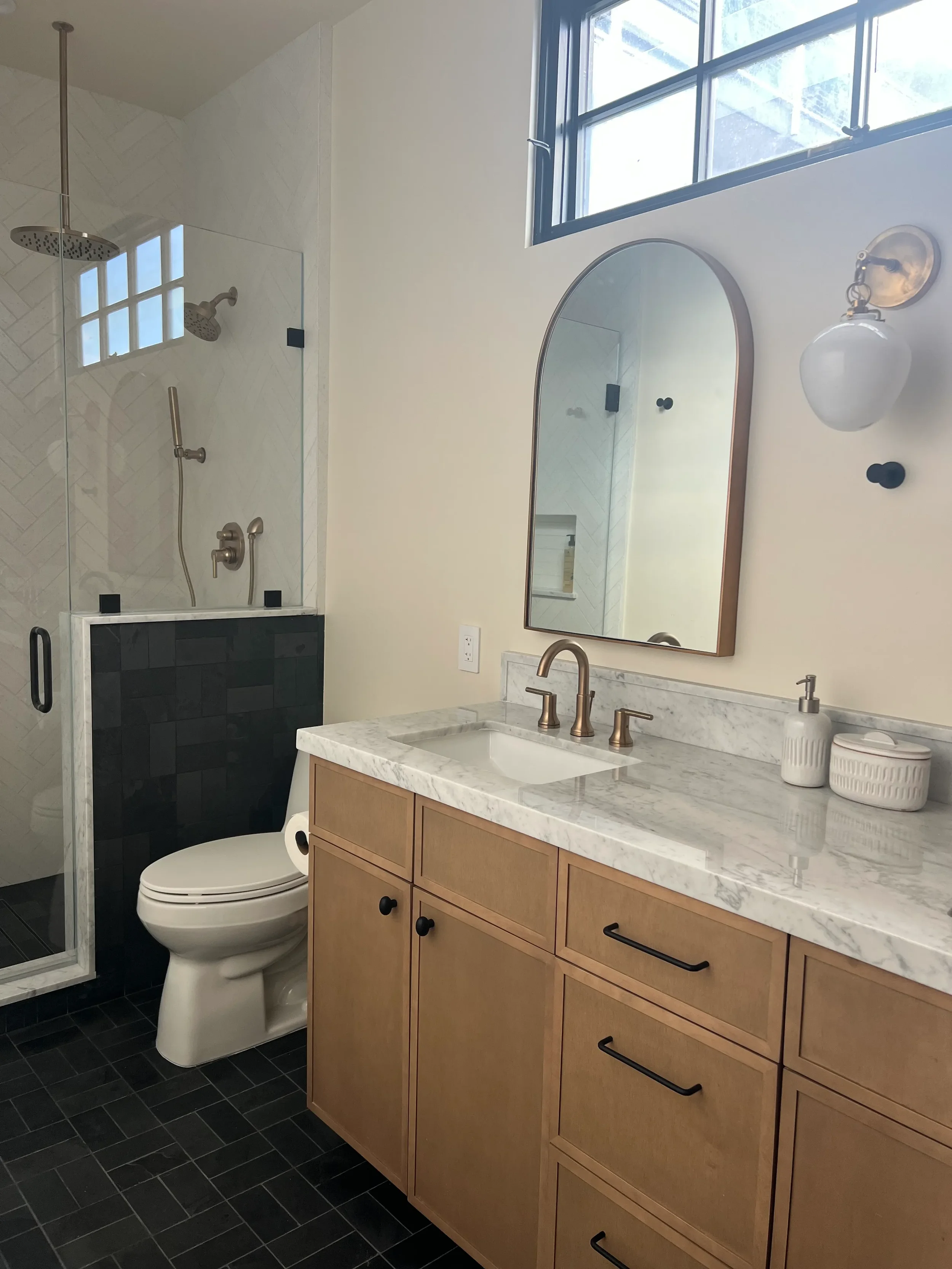
These spaces require a highly detailed design process.
An experienced remodel designer should be able to guide decisions related to:
Cabinetry
Storage solutions
Plumbing fixtures
Appliances
Tile selections
Lighting
Functionality
The goal is not simply to create a beautiful room but to improve how the space works every day.
Furnishings & Interior Styling
If you're not remodeling and simply want a home that feels more complete and cohesive, your needs may be very different.
A furnishing project often focuses on:
Furniture selection
Lighting
Rugs
Artwork
Accessories
Window treatments
Some designers specialize primarily in furnishings, while others provide both renovation and furnishing services.
New Construction Homes
Building a custom home requires coordination from the earliest stages.
A designer can help ensure decisions regarding finishes, layouts, lighting, cabinetry, and materials are made before construction progresses too far.
Understanding your project type will help narrow your search and ensure you're speaking with designers who have experience in the areas where you need support.
Look Beyond the Portfolio
A portfolio is important, but it should not be the only factor driving your decision.
Many homeowners focus entirely on beautiful photographs and overlook the questions that reveal how a designer actually works.
Ask Yourself:
Do their projects feel thoughtful and functional?
Do the homes appear livable or simply styled for photography?
Is there consistency in quality across multiple projects?
Have they completed projects similar to mine?
A designer may have stunning portfolio images, but if they primarily work on new construction homes and you're planning a historic home renovation, their experience may not align with your needs.
The best portfolio isn't necessarily the one with the most dramatic images. It's the one that demonstrates experience, consistency, and problem-solving.
Understand Their Design Process
One of the most important questions you can ask is:
"Can you walk me through your process?"
The answer will tell you a great deal about how organized the project is likely to be.
Discovery & Vision
Every successful project begins with understanding the homeowner.
A designer should want to learn about:
Your lifestyle
Your goals
How you use your home
What isn't working
What you want to achieve
Design is not about imposing a signature style. It's about creating solutions that support the people living in space.
Design Development
This phase transforms ideas into a comprehensive plan.
A strong design process should include:
Space planning
Layout development
Material selections
Cabinetry concepts
Lighting recommendations
Furniture planning
This stage often determines the success of the entire project.
Procurement
Many homeowners underestimate how much work happens after selections are made.
Products must be:
Sourced
Ordered
Tracked
Coordinated
Inspected
Procurement management can be one of the most valuable aspects of full-service design.
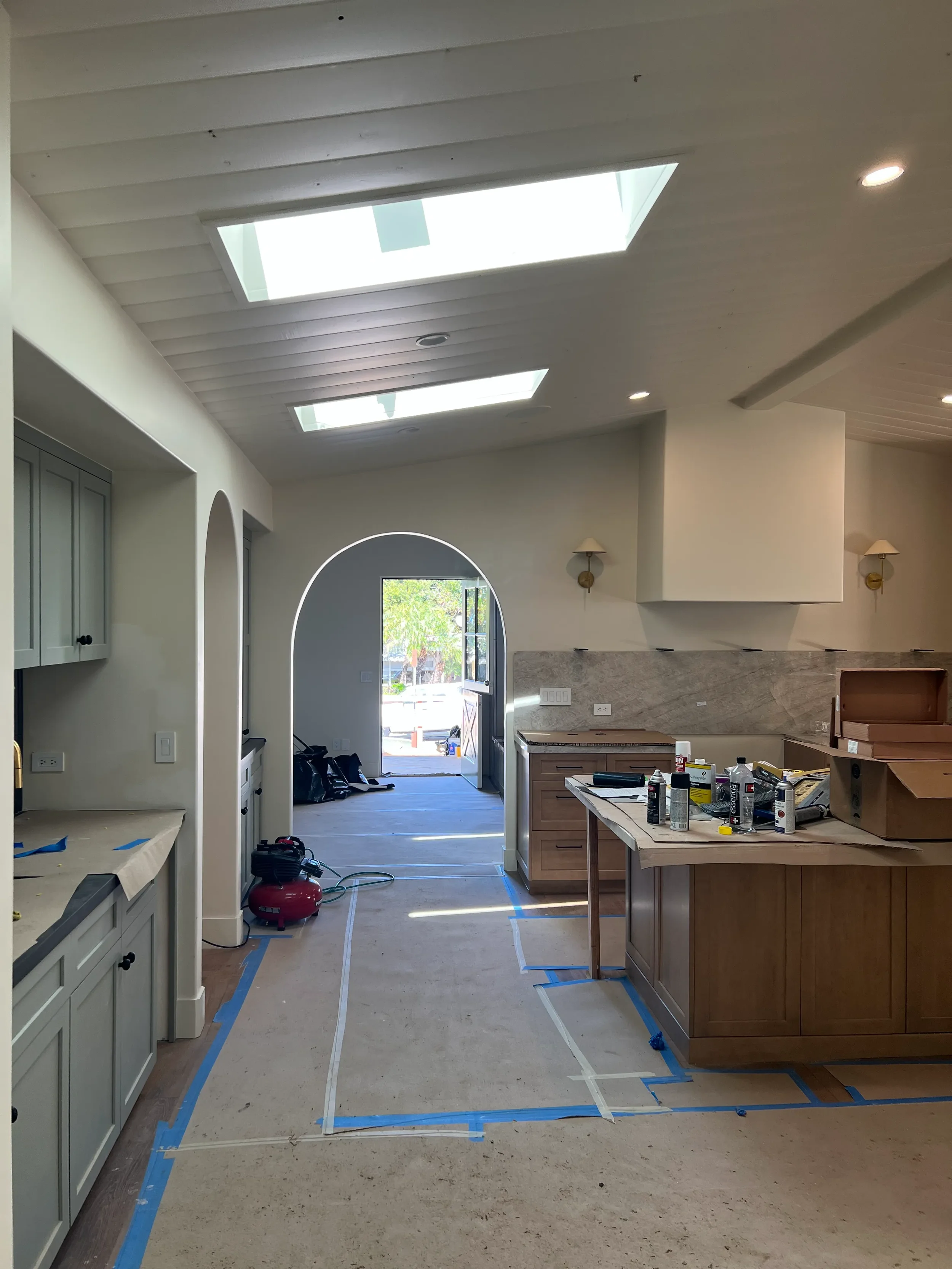
Construction Coordination
For remodels, designers should remain involved throughout implementation.
They help answer questions, clarify details, and support the contractor when design decisions need interpretation.
Installation
Furniture, artwork, accessories, and styling complete the project and bring the vision to life.
A designer who can clearly explain every phase typically has a stronger system in place to manage projects successfully.
Ask About Full-Service Interior Design
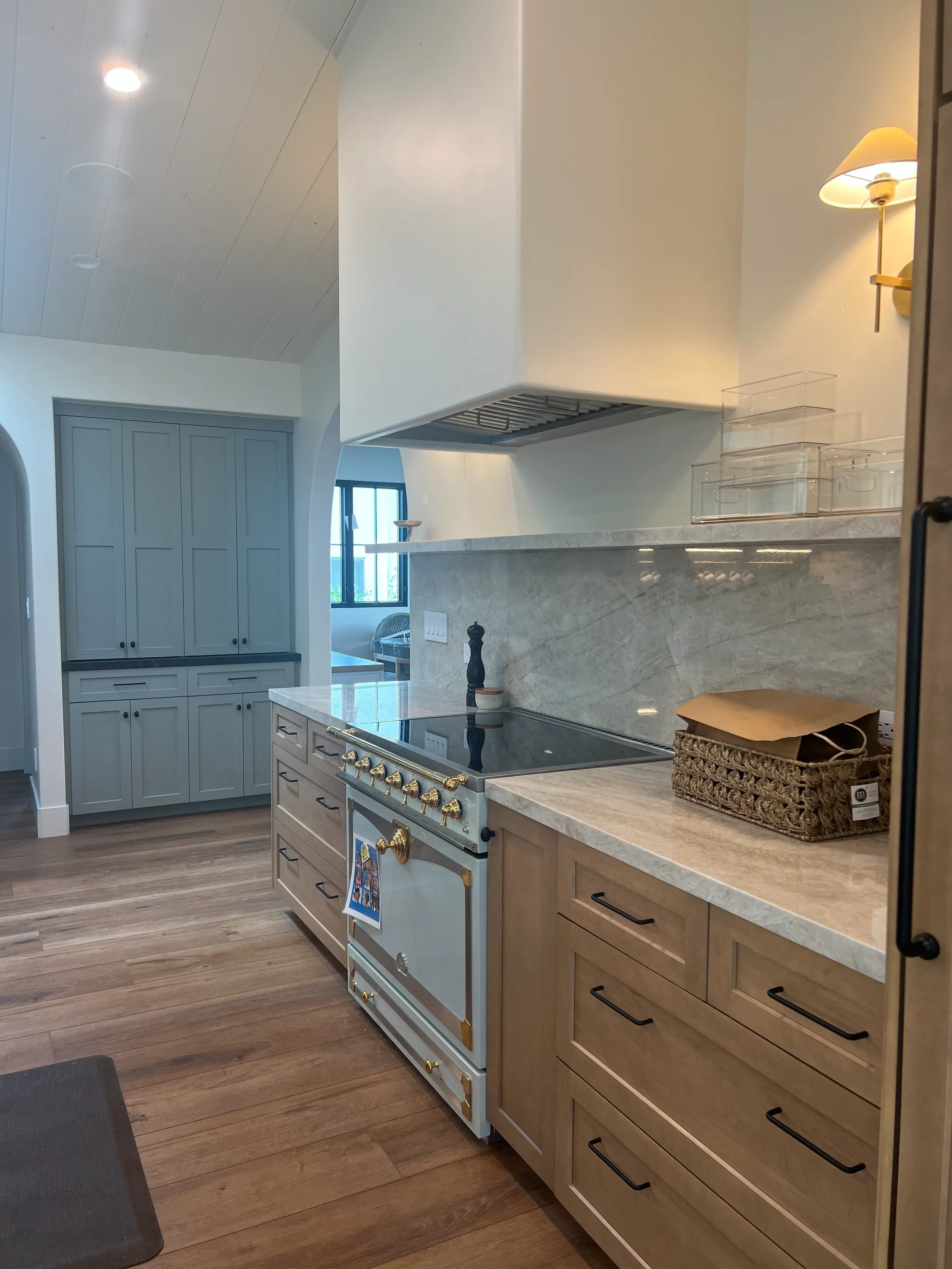
Not all interior designers offer the same level of involvement.
Some provide design concepts and selections but leave implementation to the homeowner.
Others offer comprehensive support from start to finish.
What Does Full-Service Design Include?
Depending on the firm, full-service design may include:
Design development
Space planning
Material selections
Procurement
Order tracking
Vendor coordination
White-glove delivery
Construction coordination
Installation management
Understanding what is included helps prevent misunderstandings later.
For larger projects, full-service support often creates a more seamless experience because every aspect of the project is managed through a single design vision.
Evaluate Communication Style
Communication can make or break a project.
You may spend months working closely with your designer, making it essential that communication feels comfortable and effective.
Questions Worth Asking
Who will be my primary point of contact?
How often will I receive updates?
How are decisions documented?
What happens if I have questions during construction?
Clear communication reduces confusion, improves collaboration, and helps projects move forward efficiently.
Discuss Remodel Planning Early
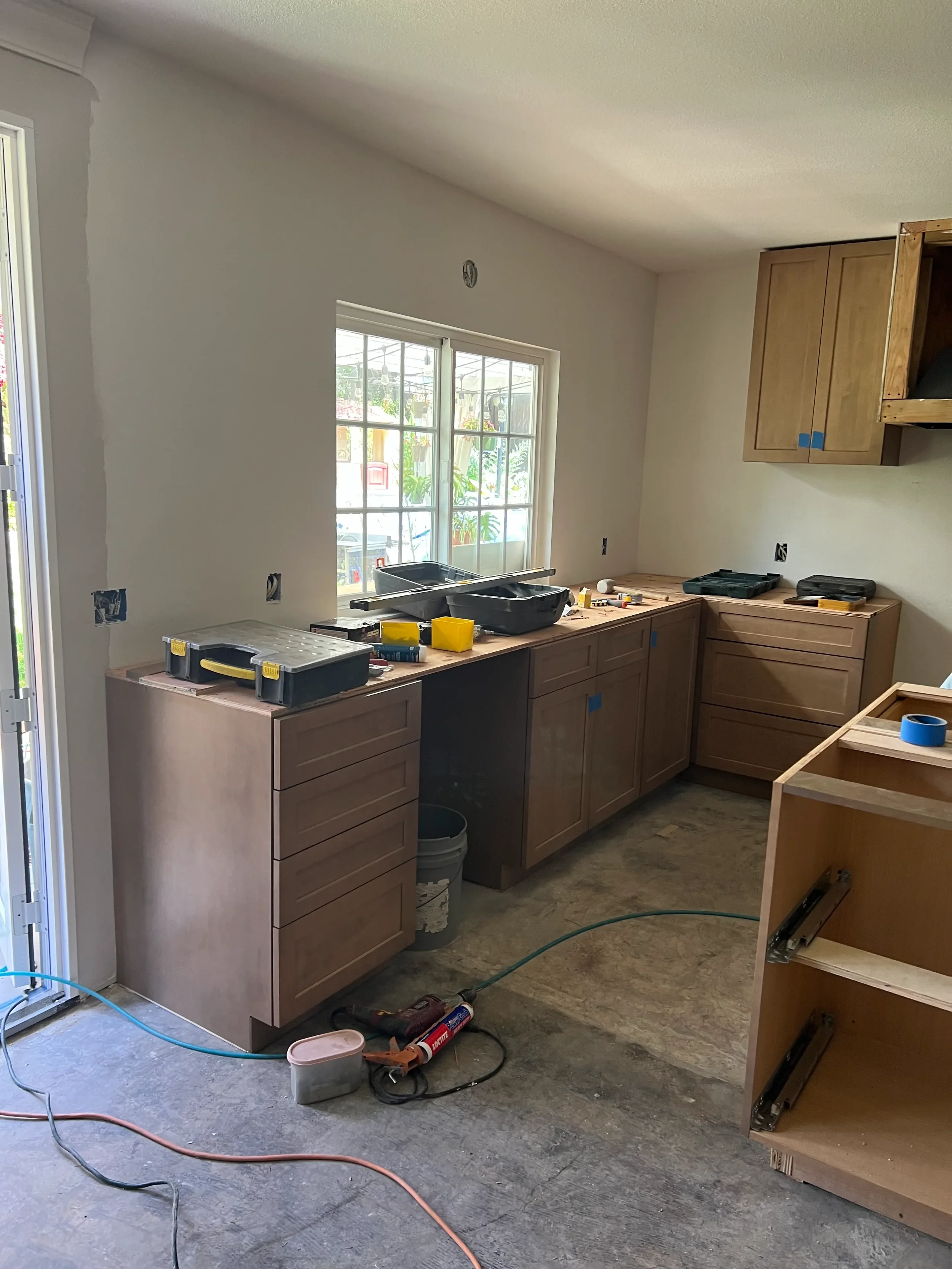
If you're planning a renovation, ask how the designer approaches remodel planning.
This is one of the areas where experienced designers create significant value.
Why Remodel Planning Matters
Many construction delays occur because important decisions were never finalized before demolition began.
Examples include:
Cabinet selections
Plumbing fixtures
Tile choices
Lighting plans
Layout modifications
When decisions are made during construction, timelines often extend and costs can increase.
A Strong Designer Prioritizes Planning
At A Designed Space, we believe the research and development phase is one of the most important investments a homeowner can make.
Solidifying the design, assembling the right team, and procuring key materials before construction begins often leads to a smoother experience overall.
Ask How They Work With Contractors
Your designer and contractor will likely spend significant time collaborating throughout the project.
The relationship between these professionals can have a major impact on the outcome.
Can You Use Your Own Contractor?
Most designers are happy to work with a contractor you trust, provided communication and expectations are clear.
What Makes a Great Project Team?
The strongest projects are built on:
Collaboration
Mutual respect
Clear communication
Shared expectations
Professional integrity
Finding the right contractor is just as important as finding the right designer.
Quality workmanship and strong communication are essential for a successful outcome.
Make Sure Expectations Align
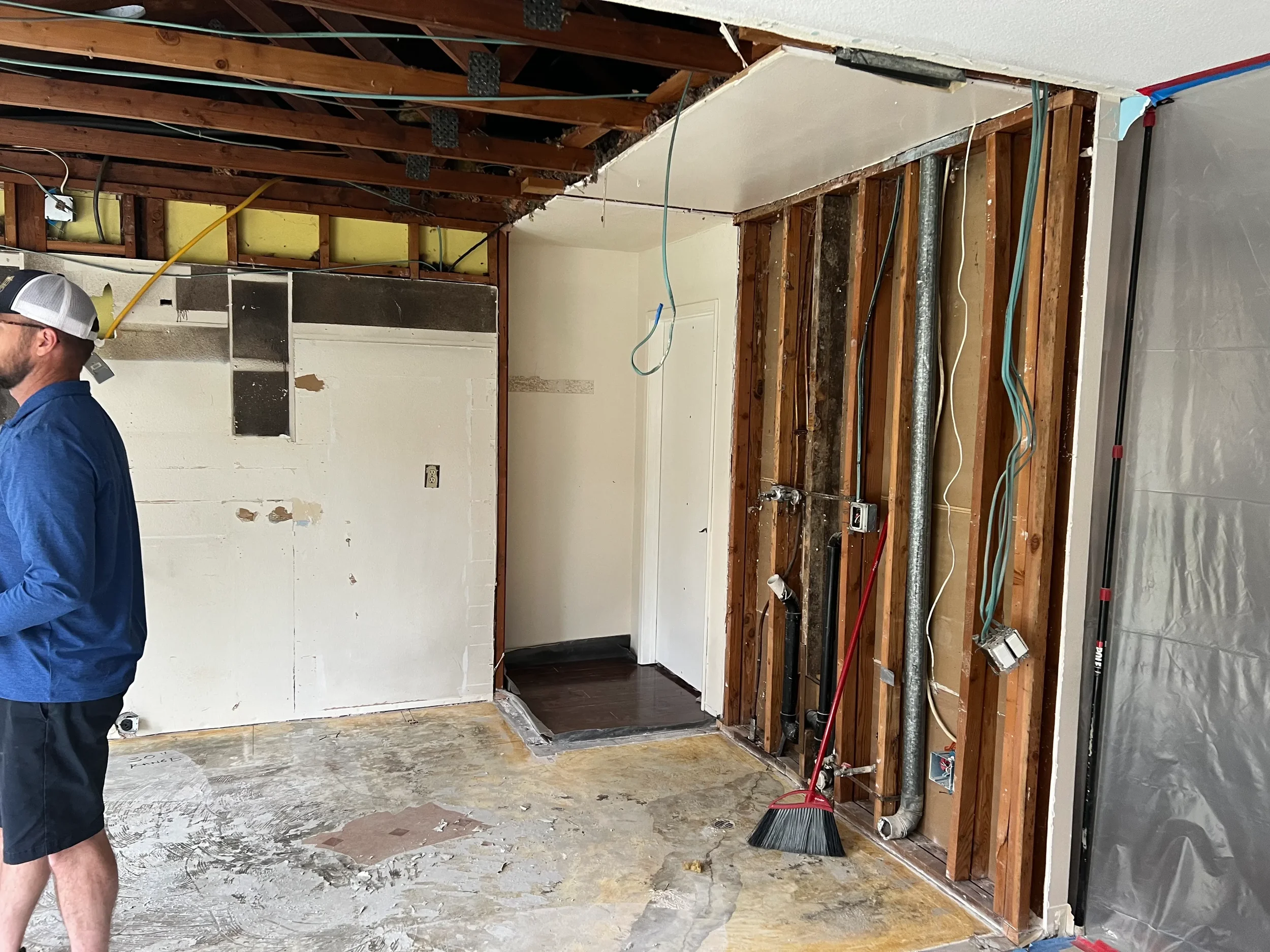
One of the most overlooked parts of the hiring process is discussing expectations.
This includes:
Project goals
Timeline expectations
Investment levels
Decision-making responsibilities
Communication preferences
Misaligned expectations often create more challenges than design disagreements.
The more transparent these conversations are from the beginning, the smoother the project tends to be.
Interview More Than One Designer
Many homeowners hire the first designer they speak with.
While that may work out well, interviewing multiple designers often provides valuable perspective.
Pay attention to:
How they communicate
The questions they ask
Their level of organization
Their understanding of your project
Whether they seem genuinely interested in your goals
Remember that the designer is evaluating you as well.
The best designer-client relationships are built on mutual trust and compatibility.
The Importance of Personality Fit
A successful design project is a partnership.
You may work with your designer for several months or longer depending on the scope of your project.
That's why personality fit matters.
Ask yourself:
Do I feel comfortable with this person?
Do they listen?
Do they understand my priorities?
Do I trust their expertise?
The right fit goes beyond aesthetics.
Alignment in communication, values, expectations, and personality often plays a significant role in project success.
What Makes A Designed Space Different?
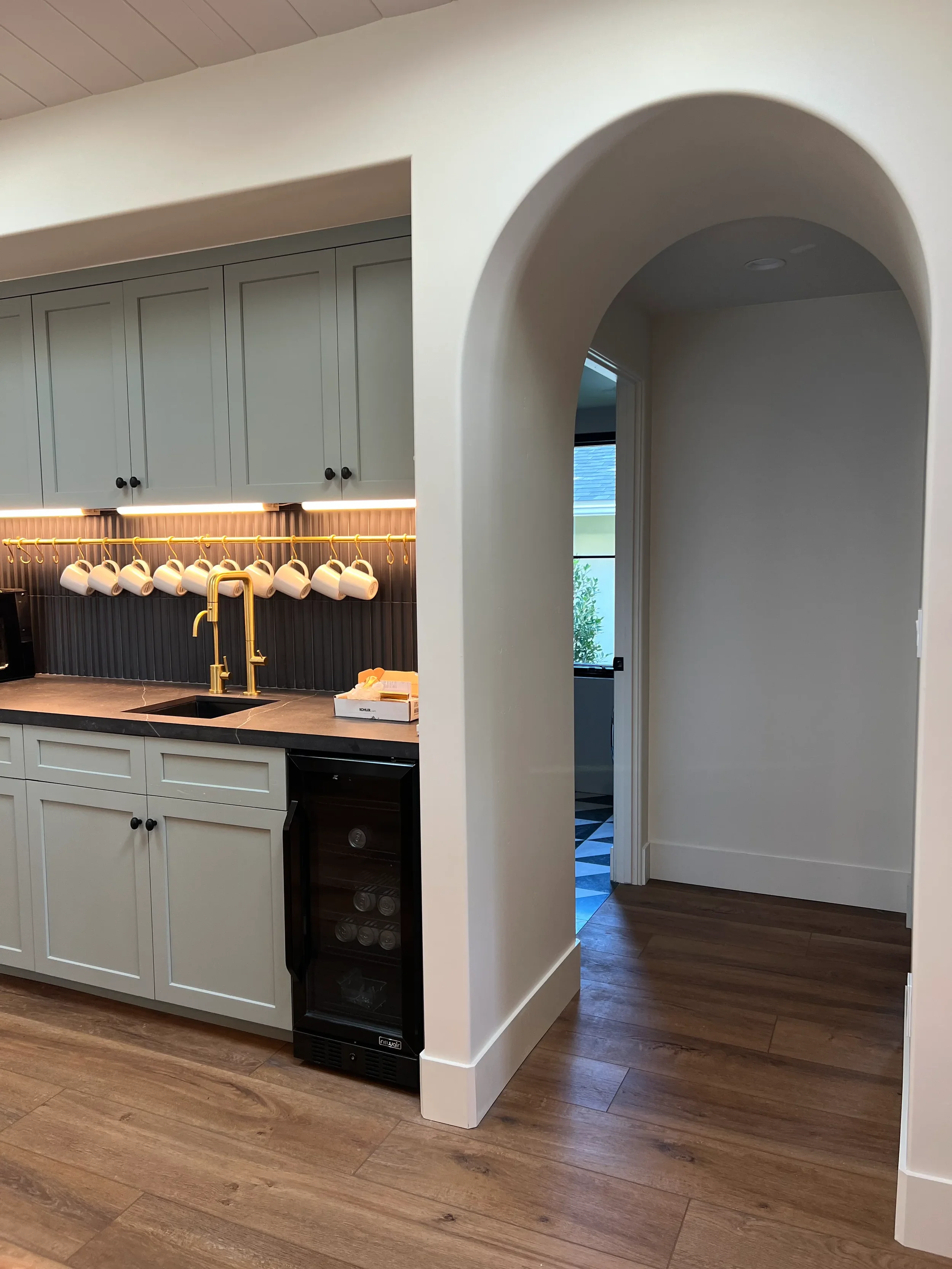
At A Designed Space, we believe exceptional interiors are the result of thoughtful planning, clear communication, and strong project management.
Our process focuses on guiding homeowners through every phase of the project, from discovery and design development to procurement, construction coordination, and installation.
We prioritize collaboration, organization, and creating homes that support the way our clients live.
Whether you're planning a whole-home remodel, kitchen renovation, bathroom update, or furnishing project, our goal is to make the process feel structured, informed, and enjoyable.
Choosing the Right Designer Is Worth the Time
The right interior designer can help transform not only your home but your entire project experience.
Take the time to interview designers, ask thoughtful questions, review portfolios carefully, and understand how each professional approaches their work.
This is a significant investment and a long-term partnership.
Finding alignment in aesthetics, expectations, priorities, and personality can make all the difference.
When you find the right fit, the result is more than a beautiful home. It's a smoother process, better decisions, and a space that truly supports the way you want to live.
Ready to Start the Conversation?
If you're planning a remodel, renovation, furnishing project, or new home build in San Diego, we'd love to learn more about your goals.
Schedule a design discovery to see how you like our process, and if we align!
