
Why Home Remodel Timelines Get Extended (and How to Avoid It)

Few things are more frustrating than watching a remodeling project take longer than expected.
Most homeowners begin a renovation with a target completion date in mind. Whether you're planning around family schedules, moving into a new home, hosting holidays, or simply eager to enjoy the finished space, timelines matter.
When a project starts running behind schedule, it's natural to assume the contractor is the problem. While contractor-related delays can happen, the reality is that most remodeling timelines get extended because of a combination of factors that begin long before construction starts.
The good news is that many of the most common delays are preventable.
At A Designed Space, we've found that the projects that stay closest to schedule are usually the ones that invest the most time in planning, decision-making, and preparation before demolition ever begins.
The Biggest Cause of Delays Happens Before Construction Starts
Many homeowners focus on the construction phase when thinking about project timelines.
In reality, some of the most significant delays originate during the planning stage.
A remodel involves hundreds of decisions. Layouts, cabinetry, appliances, plumbing fixtures, tile, flooring, lighting, hardware, paint colors, and furnishings all need to be selected and coordinated.
When those decisions are still being made after construction begins, projects often slow down.
Contractors can only move as quickly as the information they receive. If critical decisions remain unresolved, work may pause while answers are finalized.
This is why having a completed design plan before demolition begins is so valuable.
A well-developed plan creates clarity for everyone involved and provides a roadmap for the project moving forward.
Unfinished Design Decisions Create Expensive Delays
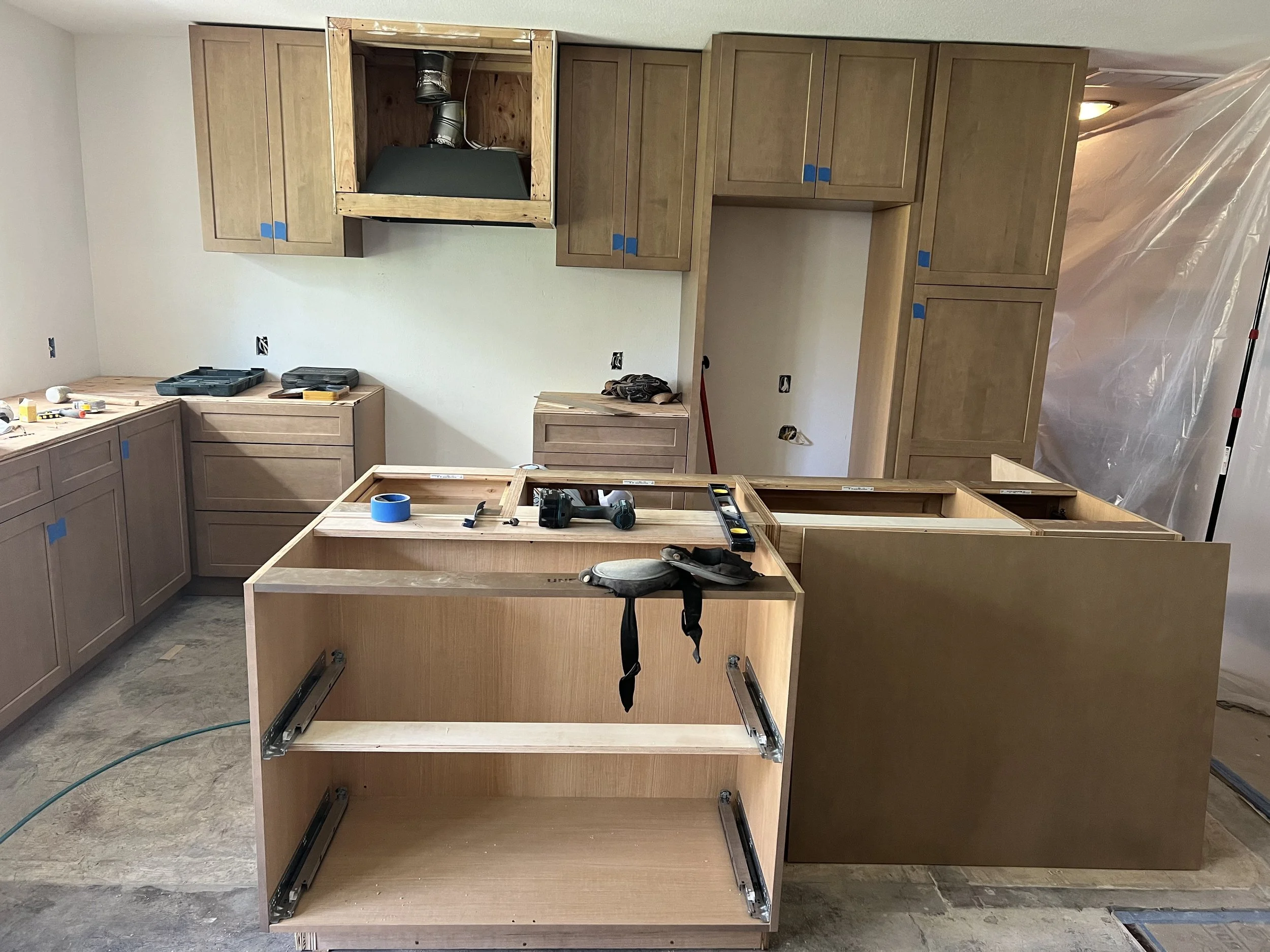
One of the most common timeline challenges occurs when homeowners start construction before the design is fully developed.
It usually comes from a good place. Everyone is excited to begin, and delaying construction can feel like delaying progress.
However, starting before key decisions are finalized often creates larger problems later.
Common examples include:
Cabinet layouts still being revised
Plumbing fixture selections not finalized
Tile materials not yet chosen
Lighting plans still evolving
Appliance specifications still under review
When these decisions are unresolved, contractors may need to stop work, revisit completed areas, or wait for approvals.
How to Avoid It
Before construction begins, finalize:
Floor plans
Cabinetry designs
Material selections
Plumbing fixtures
Lighting plans
Appliance specifications
Finish schedules
The more decisions made upfront, the smoother the construction phase tends to be.
Material Lead Times Are Often Underestimated
Many homeowners assume products can be ordered whenever they're needed.
Unfortunately, that's rarely the case.
Certain materials and products may require weeks or even months to arrive.
Items that commonly impact remodeling schedules include:
Custom cabinetry
Specialty tile
Natural stone
Plumbing fixtures
Decorative lighting
Custom furniture
Windows and doors
A project may be ready to move forward, but if key materials haven't arrived, construction can stall.
How to Avoid It
Order long-lead items as early as possible.
A designer can help identify products that require additional lead time and coordinate procurement schedules accordingly.
Understanding these timelines before construction begins allows the project schedule to be built around realistic expectations.
Scope Changes During Construction
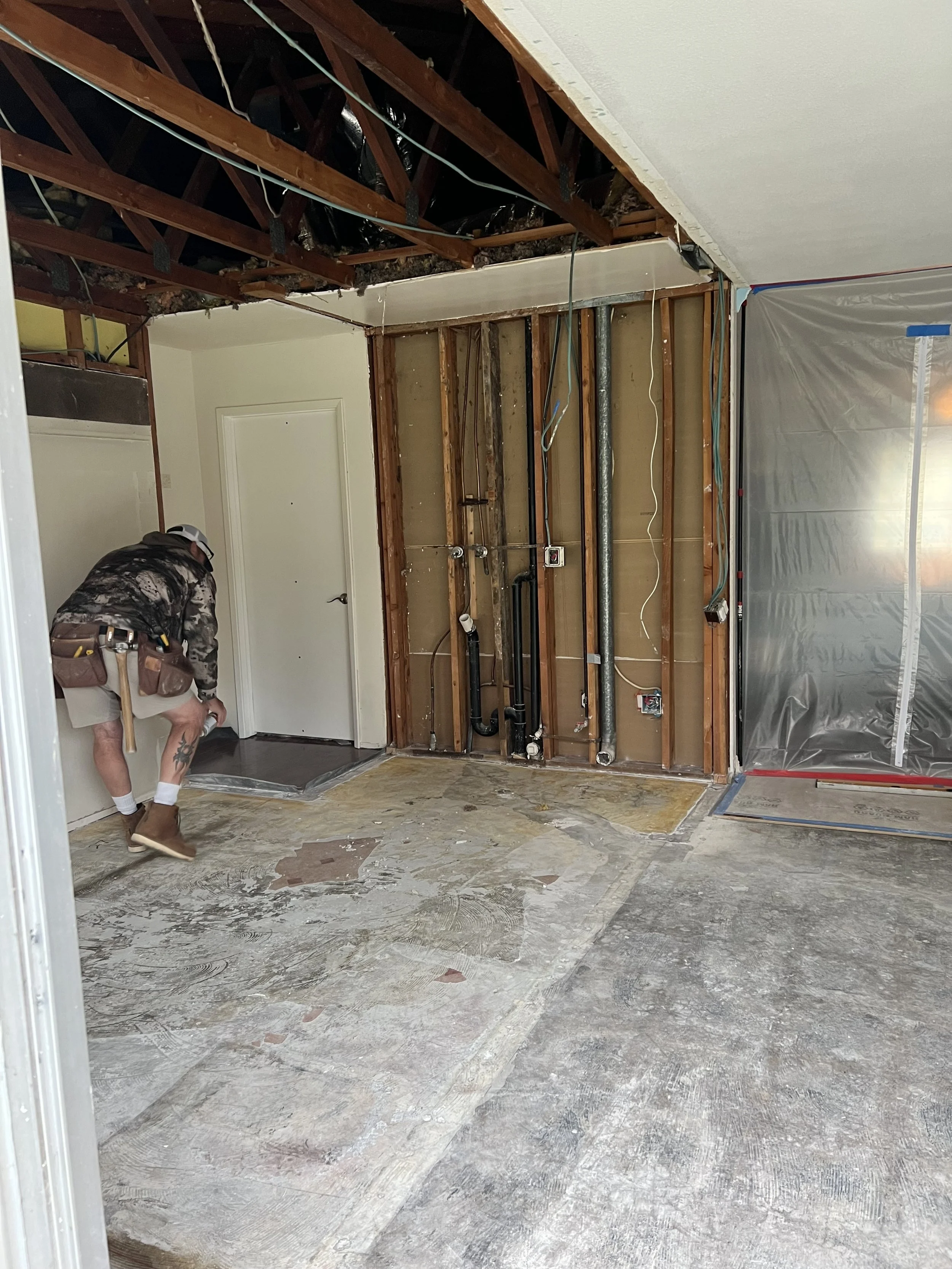
Another major cause of remodeling delays is changing direction once construction has already started.
Perhaps a homeowner decides to expand the project after seeing progress.
Maybe an additional room is added to the scope. Or perhaps new design ideas emerge midway through the renovation.
While some changes are unavoidable, every adjustment typically affects the schedule.
Additional work often means:
New design decisions
Additional materials
Revised pricing
Contractor rescheduling
Additional inspections
Even small modifications can create a ripple effect throughout the project.
How to Avoid It
Invest time in defining the full scope of work before construction starts.
The clearer the project vision is from the beginning, the less likely significant changes will be needed later.
Poor Communication Between Project Partners
A remodel involves multiple people working toward a common goal.
Depending on the project, this may include:
Homeowners
Interior designers
Contractors
Architects
Engineers
Cabinet suppliers
Trades and subcontractors
When communication breaks down, mistakes and delays often follow.
Questions go unanswered.
Assumptions are made.
Information gets lost.
The result can be confusion, rework, and unnecessary schedule extensions.
How to Avoid It
Assemble a team that values communication and collaboration.
Establish clear responsibilities from the beginning and ensure everyone has access to the information they need to perform their work efficiently.
Permitting and Approval Delays
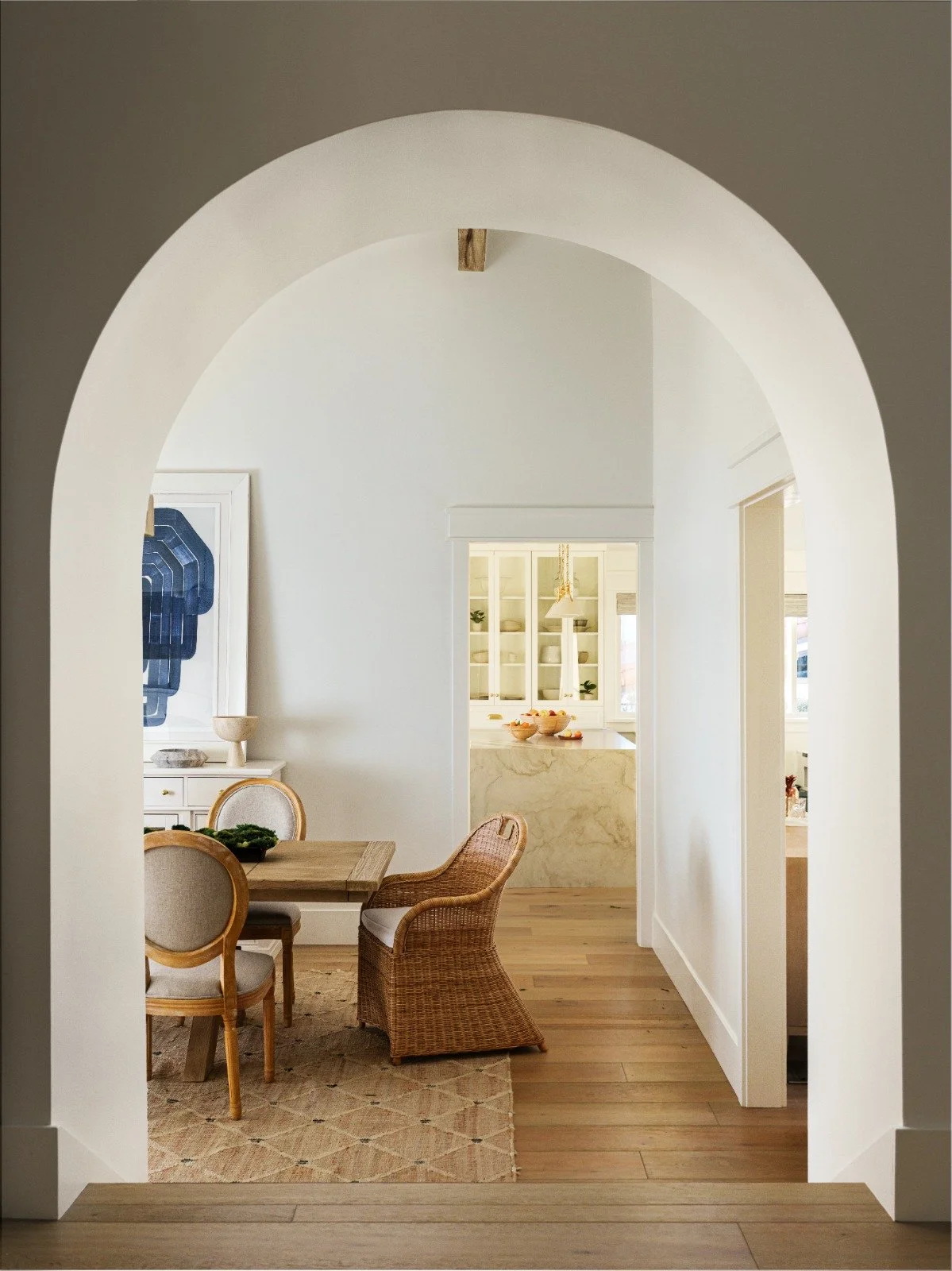
Depending on the scope of the remodel, permits may be required before work can begin.
Projects involving structural changes, electrical updates, plumbing modifications, or significant renovations often require review and approval.
Permit timelines can vary significantly depending on:
Project complexity
Local requirements
Review schedules
Requested revisions
These factors are often outside a homeowner's control.
How to Avoid It
While permits cannot always be expedited, working with experienced professionals helps ensure documentation is prepared correctly and submitted in a timely manner.
Building permit timelines into the project schedule from the beginning also helps manage expectations.
Decision Fatigue Slows Projects Down
Most homeowners don't realize how many decisions are required during a remodel until they're in the middle of one.
At first, selecting materials and finishes can feel exciting.
Eventually, however, the constant stream of choices can become overwhelming.
When homeowners become exhausted by the process, decision-making often slows down.
Delays can occur while waiting for approvals on:
Paint colors
Tile selections
Hardware
Furniture
Lighting
Decorative finishes
How to Avoid It
Working with a designer helps streamline decision-making by narrowing options and presenting selections that align with the overall vision.
Rather than evaluating hundreds of possibilities, homeowners can focus on choosing from thoughtfully curated recommendations.
The Right Team Can Significantly Reduce Delays
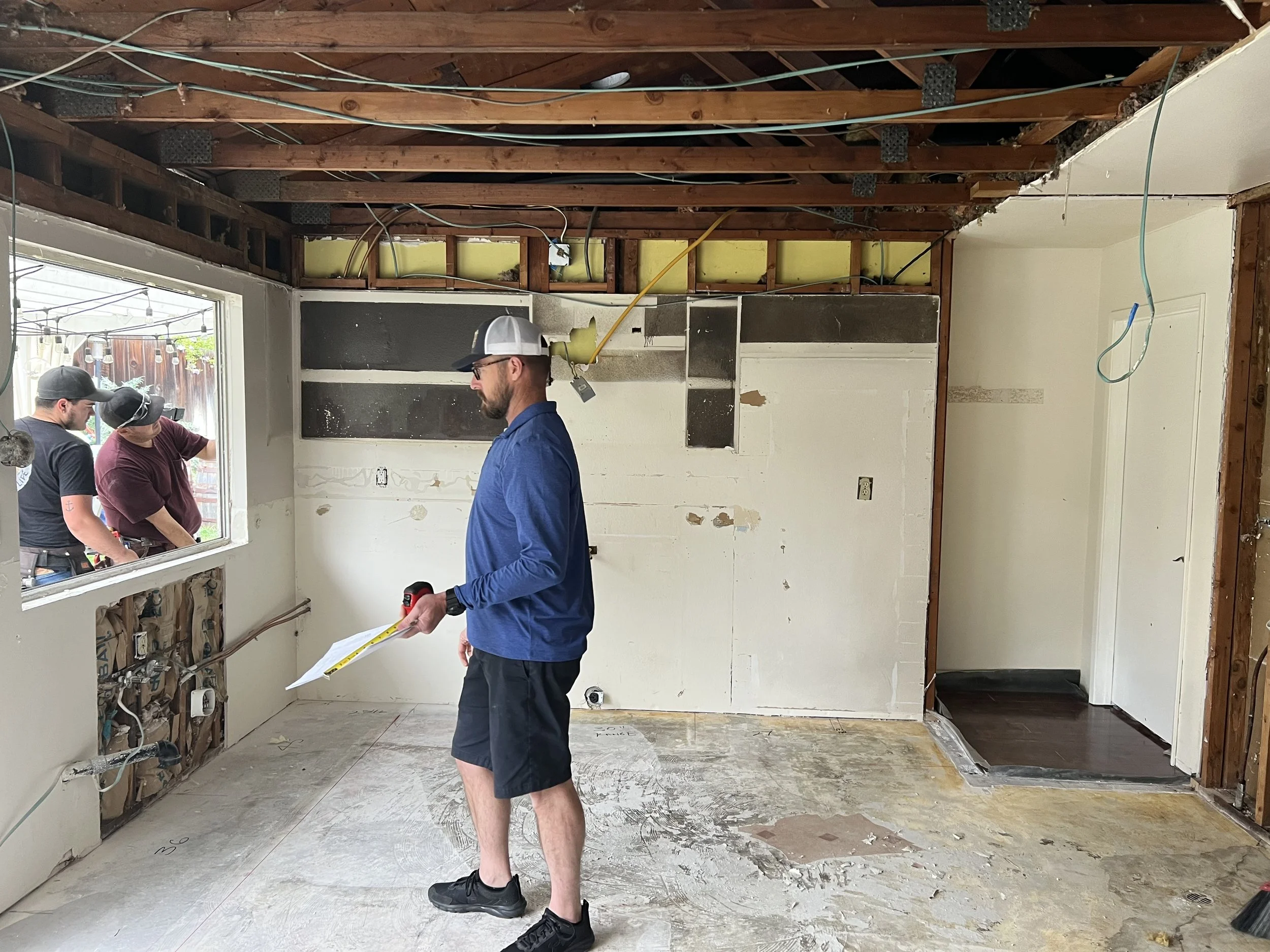
One of the best ways to keep a remodel moving forward is to bring the right professionals together early in the process.
A strong team helps:
Identify challenges before they become problems
Coordinate schedules
Finalize decisions efficiently
Communicate clearly
Maintain project momentum
The projects that tend to run most smoothly aren't necessarily the simplest projects.
They're often the projects with the strongest planning and the strongest teams.
At A Designed Space, we believe investing in the right professionals at the beginning of a remodel often saves homeowners significant time, stress, and uncertainty later.
Why the Planning Phase Is So Important
If there's one lesson homeowners can take away from successful remodeling projects, it's this:
The planning phase matters.
Many of the delays people associate with construction actually begin months earlier when key decisions haven't been finalized.
Before demolition begins, it's worth taking the time to:
Finalize the design
Approve layouts
Select materials
Understand lead times
Coordinate with contractors
Establish realistic expectations
This upfront investment creates a roadmap that supports the entire project.
The result is often a smoother construction experience and a timeline that's far more predictable.
A Faster Remodel Isn't Always a Better Remodel
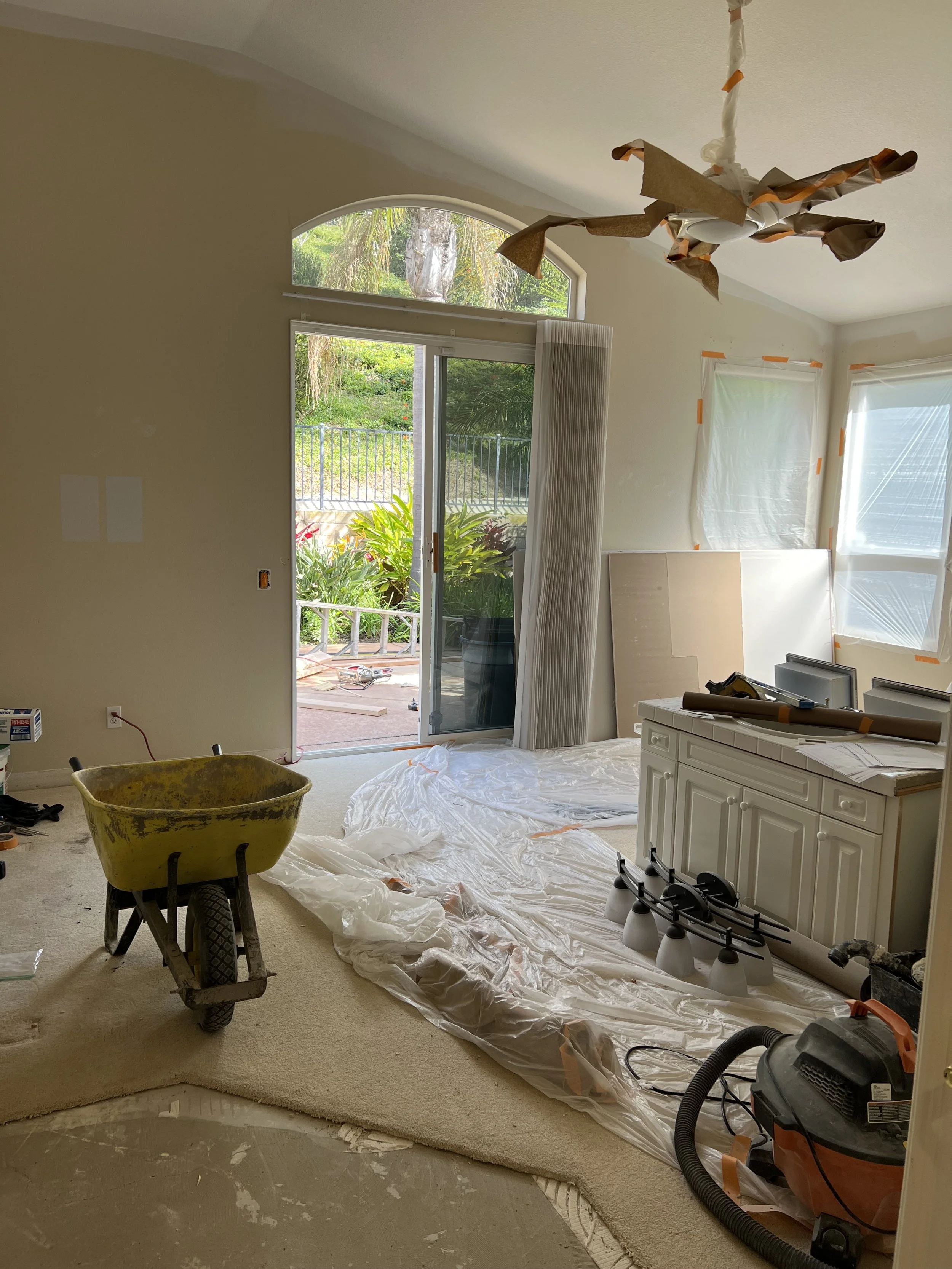
It's natural to want a project completed as quickly as possible.
However, the goal shouldn't simply be speed.
The goal should be achieving a successful outcome.
A well-planned remodel may spend more time in design development and preparation, but that investment often leads to fewer surprises, fewer delays, and a more enjoyable construction experience.
In many cases, slowing down before construction begins is what ultimately helps a project move faster once construction is underway.
Planning Is the Best Way to Protect Your Timeline
No remodel is completely immune to unexpected challenges.
However, many of the most common delays can be minimized through thoughtful planning, early decision-making, and assembling the right team.
When the design is finalized, materials are ordered early, expectations are realistic, and communication is strong, projects are far more likely to stay on track.
At A Designed Space, we help homeowners navigate remodels through comprehensive planning, design development, procurement management, and construction coordination—creating a clear roadmap before construction begins.
Ready to Plan Your Remodel?
Whether you're considering a kitchen renovation, bathroom remodel, or whole-home transformation, our team can help you create a thoughtful plan that supports your goals, timeline, and investment.
Schedule a consultation with A Designed Space to discuss your project and take the first step toward a smoother remodeling experience.
